BEAUTIFUL HOMES ARE COMPOSED, NOT ASSEMBLED
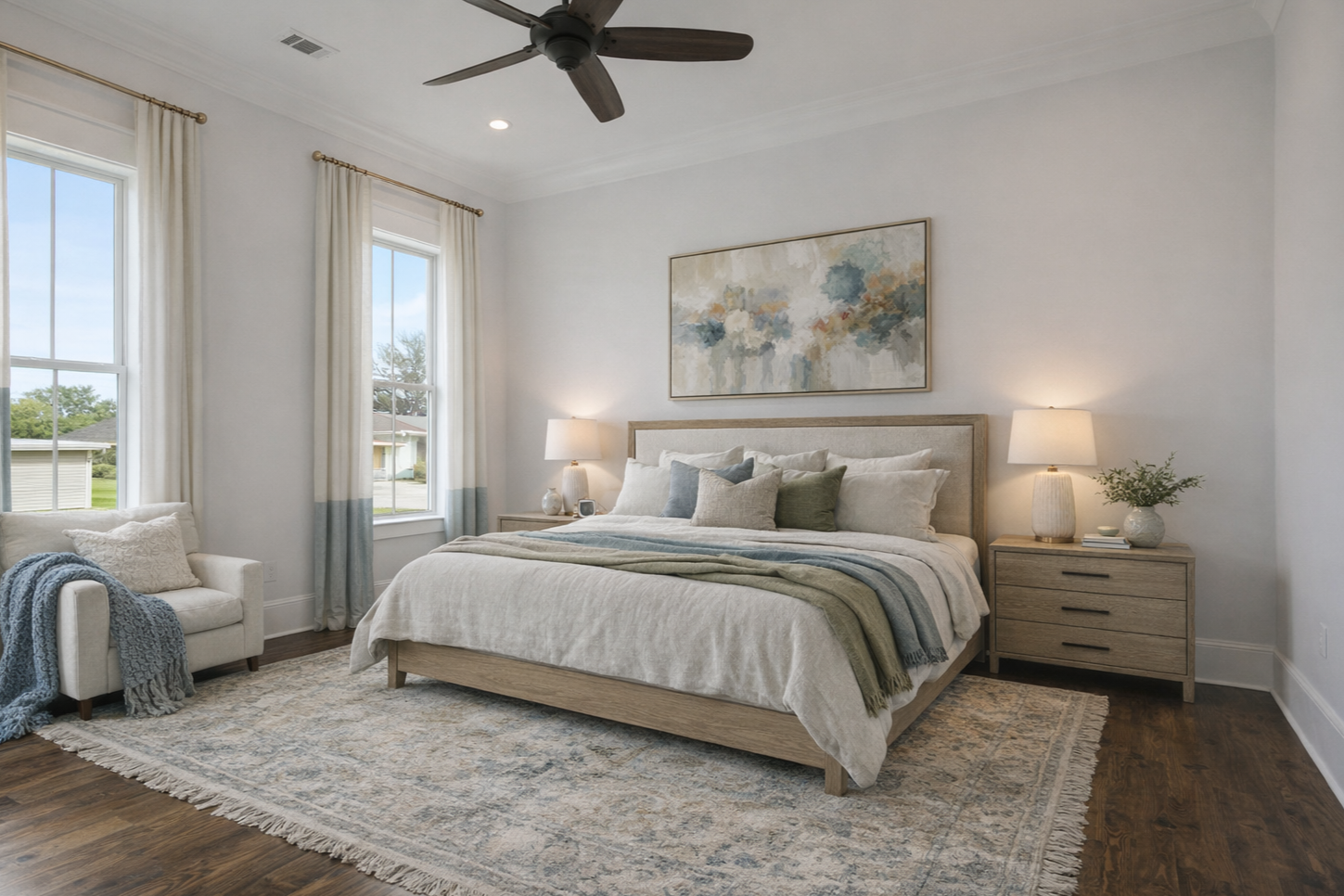
Serene, Restful
Beautiful homes are not assembled. They are composed.
Assembly is about getting all the parts in the same place: cabinets ordered, tile installed, paint on the walls. Composition is slower and more intentional. It asks how each decision will sound together over time. Like the way light moves across a room, the way your hand finds the edge of a counter, the way a space welcomes you on the days that feel the heaviest.
At Chapel & Cypress, we think of home more like a piece of music rather than a set of fixtures. The rhythm of your mornings, the pace of your evenings, the quiet held between big family gatherings. All of that becomes the score we’re designing to. Materials, proportions, and sightlines are the notes.

Big Lake, City Park (photography: Deanna Causey)
Here in South Louisiana, that composition starts with place. Humidity, storms, festival seasons, porch conversations that stretch long after the sun goes down. They all ask something specific of a house. Deep overhangs and generous porches, honest woods that can weather real life, windows that frame live oaks or water instead of just drywall. The architecture that has always made sense here becomes the backbone for the way families live now.
We pay attention to the small, often-overlooked transitions: the spot where muddy shoes pause by the back door, the run of hooks that keeps school bags from piling up on the table, the island overhang that turns a work surface into a place where friends can linger while you cook. Those are the measures where a home either strains under daily life or quietly supports it.
Designing here also means holding a few things in balance. A home has to be beautiful, but it also has to stand up to heat, humidity, heavy rain, and the particular demands of our climate. It should feel gracious enough to welcome a house full of people, yet still offer places to retreat when the gathering is over. And while New Orleans has a long tradition of formal rooms and architectural detail, the way we live in them is often wonderfully informal: doors open, people moving between the kitchen and porch, children and dogs underfoot, someone pulling up another chair because dinner has grown by three.
Those realities shape the composition. A beautiful material has to make sense for the life it will live. A formal dining room shouldn't feel disconnected from the rooms where people naturally gather. A kitchen can be refined without becoming precious, and an open floor plan still needs moments of enclosure, intimacy, and quiet. Even the transition from indoors to outdoors matters here because, for much of the year, the porch, courtyard, or backyard becomes another room of the house.
That is where composition becomes more than an aesthetic idea. It is the work of balancing beauty with durability, openness with intimacy, and tradition with the way families live today. When those things are considered together from the beginning, a home doesn't simply look right. It feels right for the place it belongs.
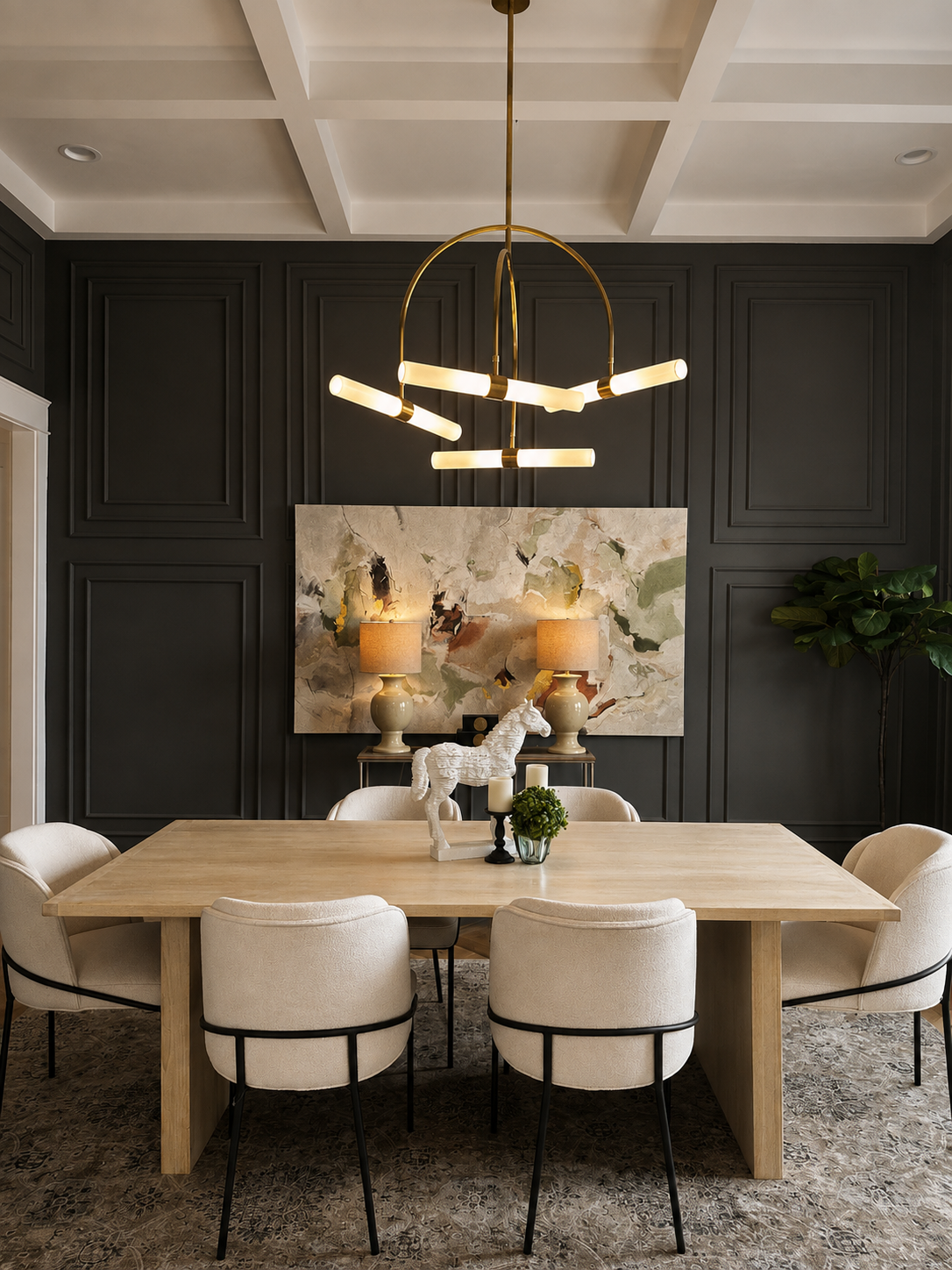
Composition also happens in the details you feel more than you notice. A cabinet edge that’s soft under your hand instead of sharp. A cypress top that will hold a decade of coffee rings and family dinners and only grow more beautiful. Floors that can handle wet boots and pets and still look calm in the evening light. When we choose materials, we’re thinking in years, not seasons.
Most clients come to us with a folder full of images and a feeling they’re trying to name: calm, rooted, generous, safe. Our work is to translate that feeling into structure. Our work is to create a plan, a sequence of decisions, and a way forward that doesn’t require them to hold every detail alone. We walk through each phase with them, keeping an eye on both the big-picture composition and the smallest notes that make a room feel like it’s always belonged to them.
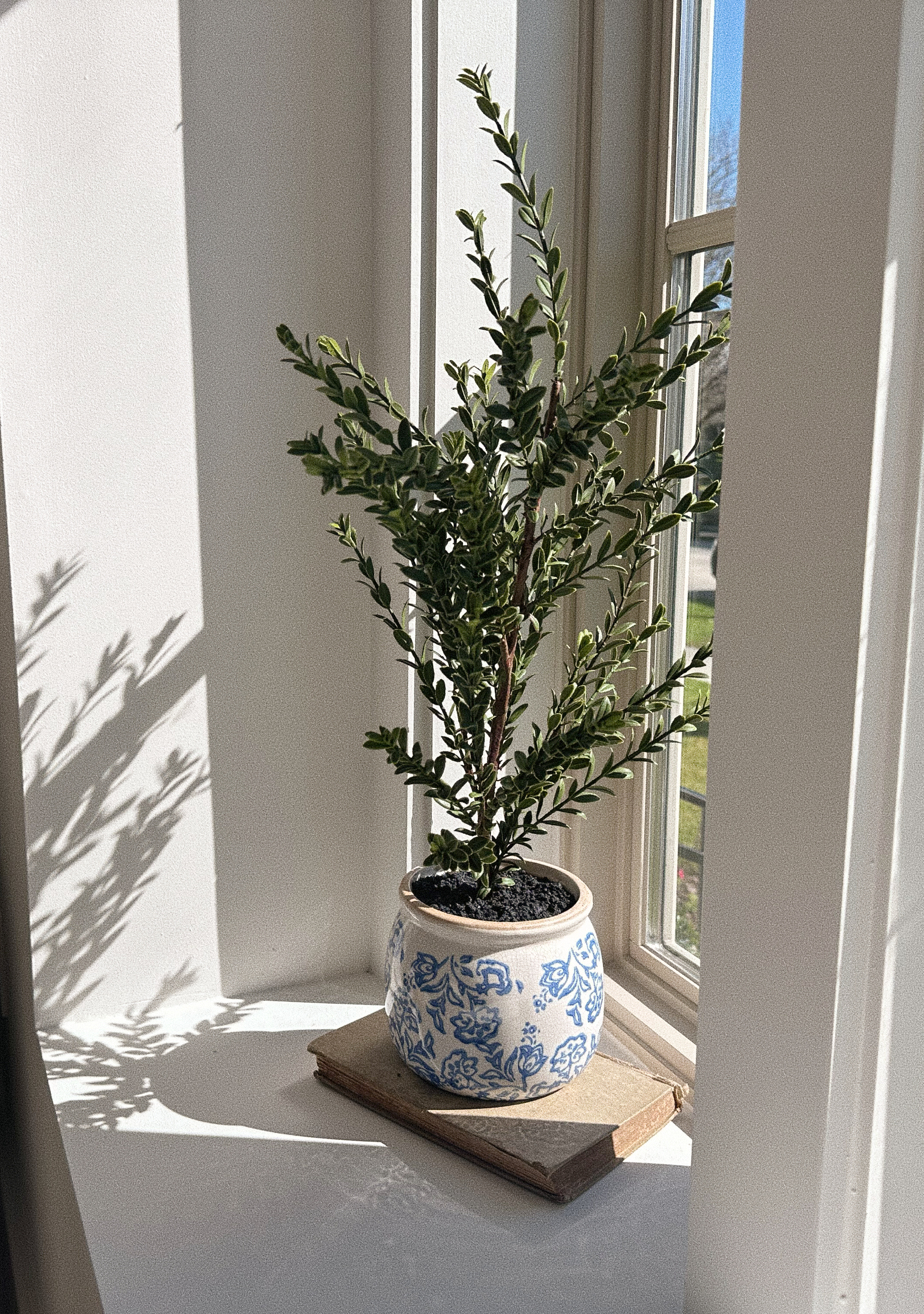
Quiet Nook
In the end, a composed home doesn’t shout. It doesn’t rely on a single trend or moment. It feels quiet, solid, and deeply familiar. A place that seems to have been waiting for your life to unfold inside it.
For clients who are ready to move beyond “good enough” and into a home that truly holds their days, we begin here: not with a list of parts to assemble, but with the question of what their life needs a home to compose.