A DIFFERENT WAY TO BUILD: DESIGN-LED HOMES EXPLAINED
Building a home can feel overwhelming.
There are decisions to make at every turn—plans, materials, layouts, finishes—often happening at different times, in different conversations, without a clear through-line.
Most projects don’t begin with intention. They begin with logistics.
And somewhere along the way, something gets lost.
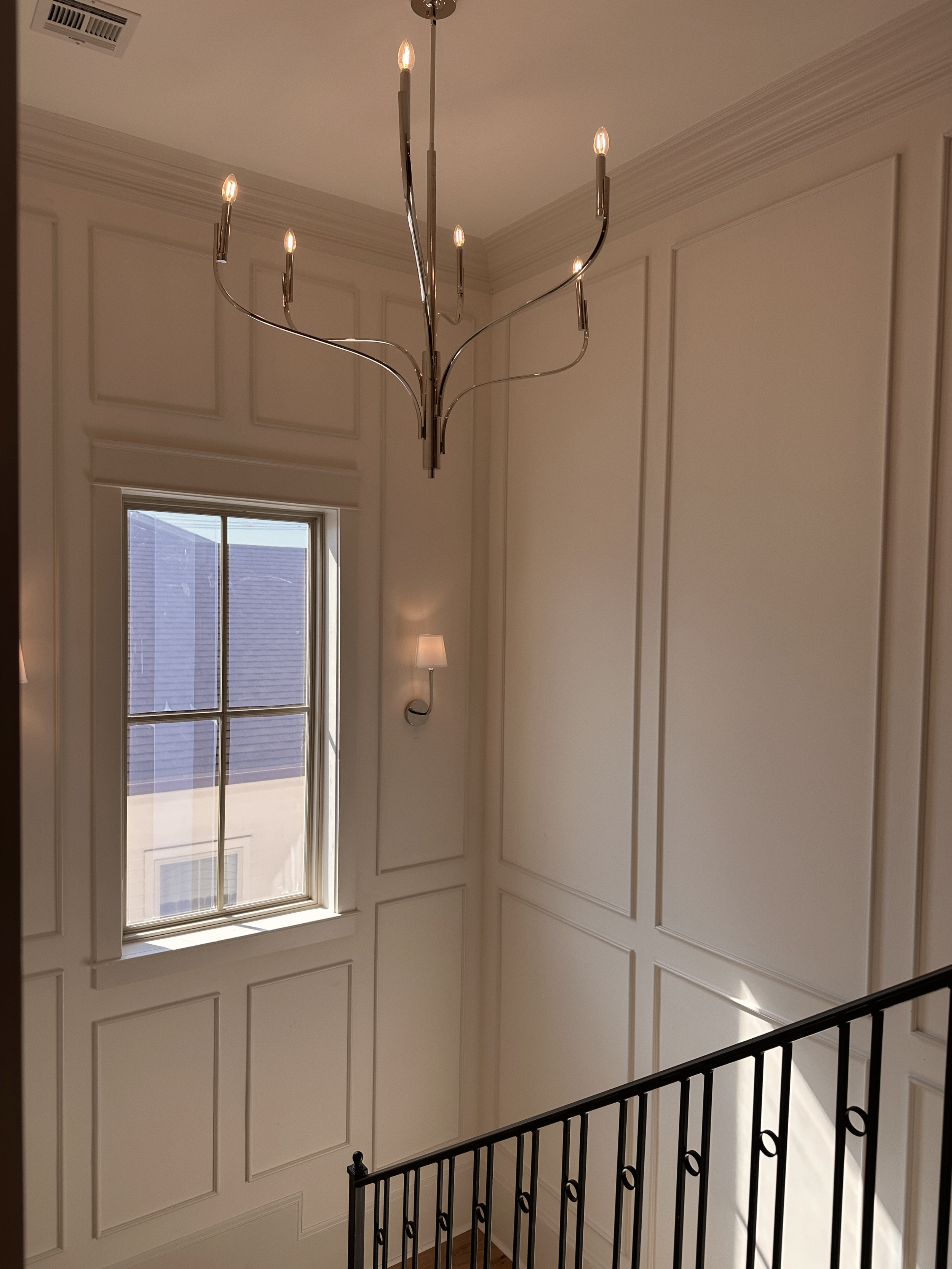
Legacy Home - Architectural details
How Most Homes Are Built
In a traditional process, the sequence is simple:
A plan is selected or drawn.
Construction begins.
Finishes are chosen along the way.
Each step moves the project forward.
But the decisions are often made in isolation,
one room at a time, one selection at a time.
It works.
But it rarely results in a home that feels fully considered.
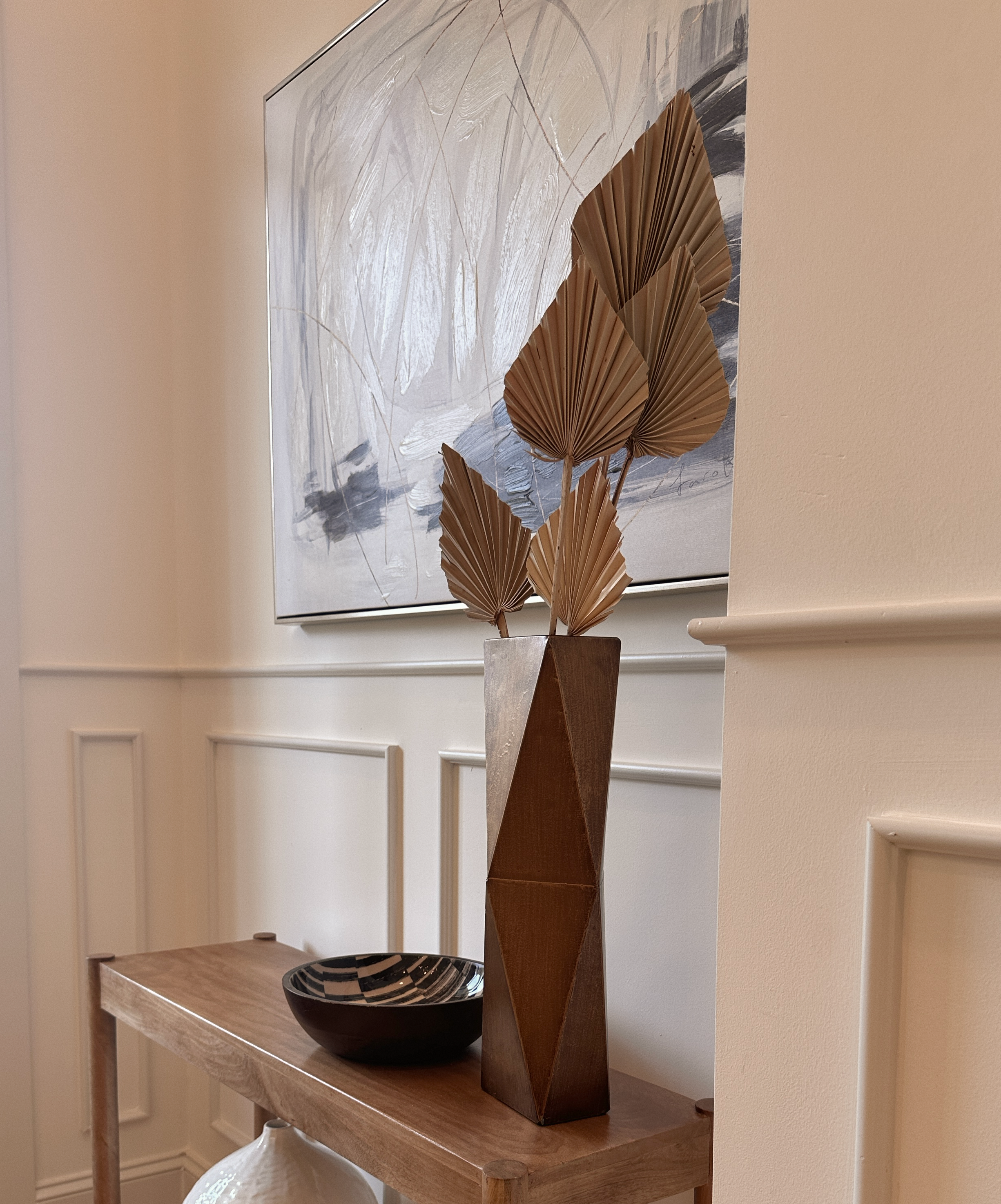
A lovely spot to drop your keys
What Gets Lost
When design is treated as a layer instead of a foundation, the outcome can feel disconnected.
Materials don’t always relate to one another.
Spaces don’t always respond to how light moves throughout the day.
Details are added late, rather than built into the structure of the home.
Clients are often asked to make important decisions quickly, without the full picture in front of them.
The process becomes reactive.
And the home reflects that.
What We Mean By Design-Led
At Chapel & Cypress, we approach things differently.
Design isn’t something we apply after the fact. It’s where we begin.
Before a plan is finalized, we’re already considering:
how the home will feel to move through
how light will enter and shift throughout the day
how materials will relate across rooms
how each space will support the way you actually live
The layout, the finishes, and the details are developed together, not in sequence, but in relationship.
Because a home is never experienced in pieces.
It’s experienced as a whole.
This philosophy begins with a simple idea, your home should never feel like a template
How We Work
Our process is designed to bring clarity to what can otherwise feel overwhelming.
Listen First
We begin by understanding how you live.
What feels missing in your current space.
What matters most in your day-to-day life.
What you want your home to support, quietly and consistently.
Design In Place
Every site has its own rhythm: light, orientation, surroundings.
We design in response to those conditions,
so the home feels grounded in where it sits, not placed on top of it.
Design For Living
Materials, finishes, and details are selected with intention.
Not just for how they look,
but for how they feel over time.
The goal is cohesion—
a sense that every element belongs.`
Build With Alignment
Because design and construction are aligned from the beginning,
there’s no disconnect between vision and execution.
Decisions are made with the full picture in mind,
reducing uncertainty and creating a more seamless process.
Why It Matters
A design-led approach changes more than the process.
It changes the outcome.
The home feels more cohesive.
More intuitive.
More reflective of the people who live there.
There’s less second-guessing.
Fewer rushed decisions.
And a stronger sense, from the beginning, of how everything will come together.
Who This Is For
This approach resonates most with those who value intention.
Those who want their home to feel considered, not assembled.
Those who prefer guidance over guesswork.
Those who understand that how a home feels is just as important as how it looks.
A Home That Feels Different
The difference isn’t always something you can point to immediately.
It’s something you feel.
In the way spaces connect.
In the way materials carry through the home.
In the way the house supports your daily life without effort.
It’s the result of decisions made together, from the very beginning.
Continue Exploring
Once design leads, the level of finish becomes a matter of depth